
Our Insights

Dr. Marcus Chng

December 29, 2025

Why Oily Skin Can Still Be Dehydrated And How This Triggers Stubborn Breakouts

Oily Skin Can Still Be Dehydrated

Understanding the Oily-But-Dehydrated Skin Paradox in Singapore

Most patients in Singapore assume that shiny, oily skin means “too much moisture.” One of the most overlooked skin concerns seen in clinics today is oily-but-dehydrated skin – a condition where the skin produces excess oil but lacks internal hydration. This imbalance fuels persistent congestion, closed comedones, and breakouts that seem to return no matter what cleanser, exfoliant or facial you try.

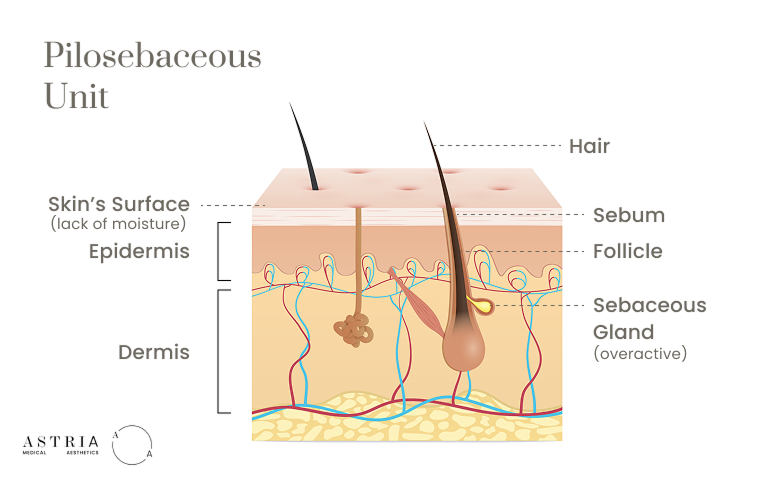
In the Singapore heat, air conditioning, pollution and harsh cleansing routines constantly challenge the skin’s ability to retain water, leading to weakened skin barrier function. This leads to a vicious cycle of causing the sebaceous glands to produce even more sebum and this overproduction of sebum can lead to oily yet dehydrated skin.

Signs You Have Oily-Dehydrated Skin (Often Misdiagnosed as ‘Just Oily’)


Sign
How It Looks/FeelsWhat It Means
Flaky Yet Shiny SkinFlaky Yet Shiny SkinSkin appears glossy, but dry flakes appear around the nose, chin, or cheeksIndicates disrupted skin barrier: surface oil but low internal moisture
Tightness After Washing Despite Looking Greasy LaterTightness After Washing Despite Looking Greasy LaterSkin feels stretched or dry right after cleansing, then becomes oily within hoursOver-cleansed, dehydrated skin triggers excess sebum production
Frequent “Tiny Bumps” or Closed ComedonesFrequent “Tiny Bumps” or Closed ComedonesSmall, skin-colored bumps along cheeks, jawline, or foreheadCaused by dehydrated, sticky sebum and clogging
How Does Dehydrated Oily Skin Lead to Persistent Breakouts?

Oily skin doesn’t mean “well-hydrated skin.” In fact, when the deeper layers of the skin lack moisture, the oil glands tend to produce more and thicker sebum as a protective response. This combination of excess oil on the surface but a dry, compromised skin barrier underneath creates the perfect environment for stubborn breakouts that keep returning despite skincare, facials, and over-the-counter acne treatments.

Thickened Sebum + Slowed Skin Healing = Perfect Clogging Conditions

When the skin is dehydrated, sebum becomes thicker. At the same time, skin repair slows down because the skin barrier is struggling. This means:

  • More dead skin cells sit on the surface
  • Thicker oil traps these cells more easily
  • Pores become clogged

This type of clogging commonly appears as tiny bumps (closed comedones) or persistent blackheads, especially in humid environments like Singapore. These blockages become deeper and harder over time, forming the foundation for larger inflamed pimples.

Inflammation Spikes When the Skin Barrier Is Damaged

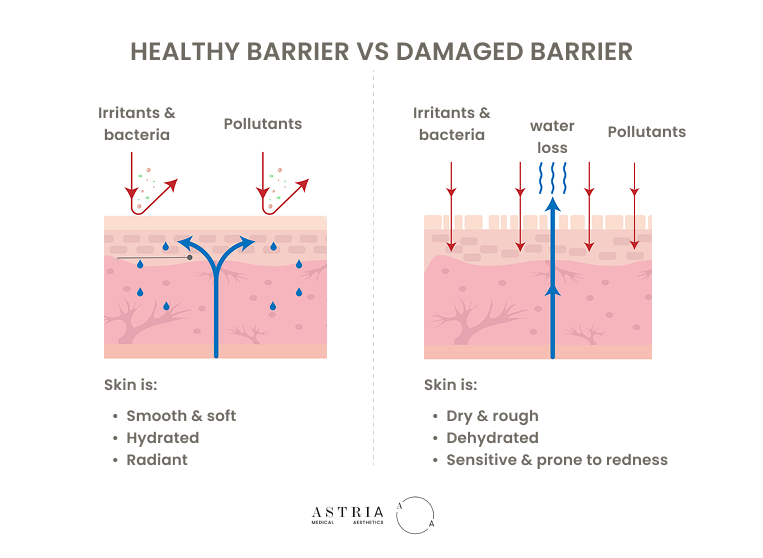
A dehydrated skin barrier is weaker and more susceptible to irritants, bacteria and pollution. As a result:

  • Inflammation occurs even before a pimple forms
  • The skin becomes more reactive and sensitive
  • Breakouts are more often, and tends to be redder and angrier

Because the skin barrier cannot regulate bacteria and oil flow well, even small, clogged pores tend to escalate into painful inflamed acne or cystic pimples. This is why oily-dehydrated skin often looks both shiny and irritated at the same time.

A dehydrated skin barrier is weaker

Which Medical Grade Treatments Can Help Reset Oily-Dehydrated Skin?

Managing oily-dehydrated skin requires more than facial products or traditional facials. This is because the root issue lies in skin barrier dysfunction, thickened sebum and inflammation. The most effective solutions are medical-grade treatments that target hydration, regulate sebum production and repair of the skin barrier. These options help restore balance, reduce congestion, and minimize the cycle of repeated breakouts.

Treatment Category What the Treatment Does Ideal For Patients With How It Helps Breakouts & Congestion
skin boosters (Hyaluronic acid-based, Polynucleotides-based) Deeply replenishes skin moisture; improves suppleness and barrier function Tight, flaky-yet-oily skin; dehydrated texture Restores internal hydration → reduces sebum production Reduce inflammation and repairs skin barrier
Hydrafacial Gently exfoliates, extracts dirt, infuses hydrating serums Congested pores, whiteheads, blackheads, dullness Removes dirt in pores while maintaining moisture → makes pores less likely to re-clog
Laser-Based Therapy (Carbon Laser Peel) Gently heats sebaceous glands to reduce sebum production, removes surface dirt Very oily skin, recurrent clogged pores Gradually reduces oil production → prevents deep congestion Acts as prevention
Micro-Toxin for Pore & Oil Control Low-dose botulinum toxin injection reduces sebum output and minimizes pore visibility Excessive mid-day oiliness; makeup oxidation; persistent shine Controls sebum production → fewer clogged pores and less comedone formation

Why Traditional Acne Routines Are Not As Effective When The Skin Is Dehydrated?

Many patients with oily or acne-prone skin try to reduce flares by using harsh cleansers and strong actives. But when the skin is dehydrated, these methods often do the opposite of what you want, leading to more oil, more irritation and more breakouts. Understanding why these traditional routines fail can help you avoid the cycle of temporary improvement followed by recurrent flare-ups.

The Over-Exfoliation Trap

A lot of patients assume that if the skin feels oily, the solution is to scrub, exfoliate, or use drying products more frequently. However, dehydrated skin is already struggling to shed dead skin cells properly. Over-exfoliating:

  • Removes too much of the protective oil barrier
  • Accelerates moisture loss resulting in rebound sebum production
  • Traps dead cells deeper inside the pores

Salicylic Acid and Retinoids on Dry Skin

While ingredients like salicylic acid and retinoids are helpful for acne, they require a healthy skin barrier to work properly. On dehydrated skin, they can:

  • Cause sensitivity, redness and flaky patches
  • Disrupt oil – water balance
  • Worsen inflammation under the surface
  • Cause the skin to produce even more sebum to compensate

Conclusion

Managing oily yet dehydrated skin coupled with acne flares can seem intimidating and complex.

The good news? With the right combination of hydration focused treatments, barrier repair, and sebum control therapies, your skin can regain balance, reduce breakouts, and feel smoother and healthier over time.

Take the first step today: Book a consultation at Astria with our experienced doctors to assess your skin, identify your unique concerns, and create a personalized treatment plan tailored to oily-dehydrated, acne-prone skin.

Your clearer, calmer, and balanced skin is within reach – don’t let stubborn breakouts hold you back.

Frequently Asked Questions (FAQ)

With consistent barrier-focused care – including hydration, gentle cleansing, medical treatments and sun protection, most patients start to notice improvements within 4–6 weeks. Full barrier restoration may take a few months, depending on severity.

Overusing oil-stripping cleansers, or alcohol-heavy toners can confuse your skin into thinking it is “dry.” This triggers the sebaceous glands to increase oil output, making the skin shinier and more congested within hours. Supporting the skin barrier often reduces oil levels more effectively than drying products.

Home care is essential and important for maintenance but often not enough for stubborn, recurring acne in oily-dehydrated skin. Medical grade treatments like skin boosters or laser-based therapies accelerate recovery, reduce inflammation and prevent deeper pore congestion.


Yes as Singapore’s hot, humid climate, air-conditioning, pollution and stress can exacerbate dehydration and oil overproduction. Internal hydration, a balanced diet, stress management, regular sleep, and proper sun protection are critical for long-term skin health.

Maintaining balance involves:

  • Gentle, pH-balanced cleansing
  • Consistent hydration and barrier support
  • Maintenance laser and skinbooster sessions as needed
  • Protecting skin from environmental triggers

This approach reduces pore congestion, controls oil production, and keeps acne-prone skin calmer over a longer period of time.

Medically Reviewed by

Dr. Marcus Chng

AESTHETIC DOCTOR

Dr. Marcus earned his Bachelor of Medicine and Bachelor of Surgery (MBBS) from Newcastle University in the United Kingdom. His early medical training included rigorous rotations across multiple specialties in both the UK and Singapore, providing him with a strong foundation in patient care and clinical excellence…

Get in touch

A
A

Whether you have questions about our treatments, want to book an appointment, or simply like to learn more about how we can help you achieve your skin goals, our team is here to assist!

Astria Medical Aesthetics logo - reverse

Astria Medical Aesthetics believes in a sustainable aesthetic journey. Beauty can be a continuous, timeless goal.

address

51 Bras Basah Road, #04-06A
Lazada One, Singapore 189554

OPENING hours

Monday – Friday
10.30am – 8.30pm
(Last appointment: 7.30pm)

Saturday
10.00am – 7.00pm
(Last appointment: 6pm)

Sun & PH closed

© 2026 Astria Medical Aesthetics