

Discover effective ways to manage melasma and freckles through a combination of sun protection, healthy lifestyle habits, and expert dermatological advice.
Table of Contents
Toggle
Dr. Sarah prioritizes understanding her patients’ aesthetic desires, so as to guide them effectively toward their goals.
Find out more about Dr. Sarah here.
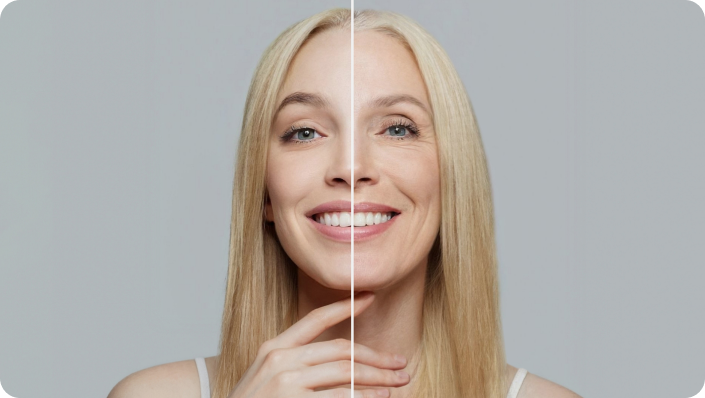
In a world where our skin often tells stories of our health, habits, and environment, understanding those little spots that appear over time can be enlightening. You might have noticed some changes in your skin tone, particularly darker patches or spots, and wondered about their nature. Are they melasma or freckles? Although they may appear similar at first, there’s much more beneath the surface. Understanding the difference between melasma and freckles is crucial for effective treatment and prevention as these are some of the more common pigmentation types we tend to see.
This blog post aims to demystify the differences between melasma and freckles, guiding you through their appearances, causes, and locations. We’ll also explore various treatment options and prevention tips to help you maintain your skin’s health and beauty. Whether you’re looking to understand these skin conditions better or seeking ways to address them, this post will provide valuable insights.
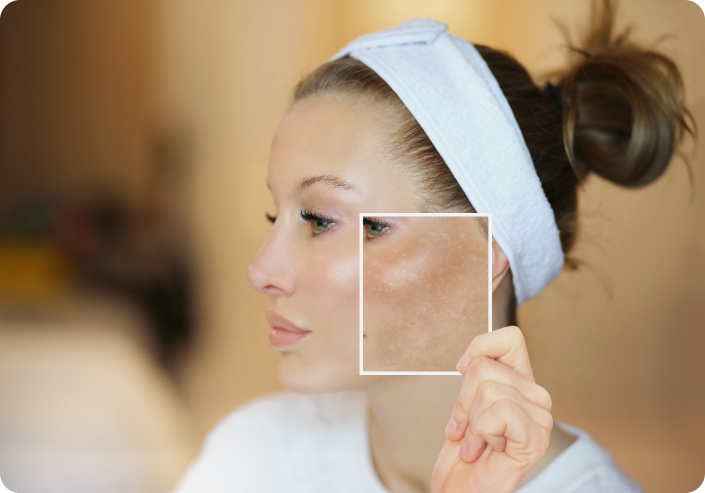
Melasma, often called the ‘mask of pregnancy’, is a common skin condition characterized by brown or gray-brown patches. These patches typically appear on the face, specifically the both cheeks, the forehead, or the centre of the face. Unlike freckles, melasma tends to cover larger areas with irregular shapes.
The condition is more prevalent among women, especially during pregnancy due to hormonal changes. However, men can develop melasma too. The exact cause remains unknown, but factors like hormonal changes, sun exposure, and certain medications can trigger its onset.
Understanding melasma is essential for anyone noticing such changes in their skin. It’s important to remember that while melasma is a common condition, it often requires specific treatments and preventive measures to manage its appearance effectively.
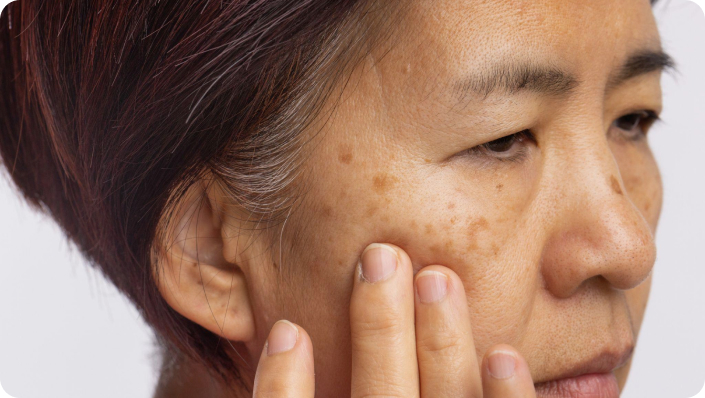
Melasma is characterized by brown or gray-brown patches
Freckles are tiny, flat, brown marks that usually develop on skin that has been exposed to the sun. They are genetically inherited and often begin to show in childhood. Freckles are harmless and tend to become more pronounced with sun exposure, especially in fair-skinned individuals.
These spots are more common among people with lighter complexions as their skin has less melanin to protect from UV rays. Freckles on face are usually less visible in the winter months due to reduced sun exposure.

When comparing melasma vs freckles, their appearance is one of the most noticeable differences. Melasma patches are typically larger and have a more irregular shape compared to freckles. They present as brown or gray-brown patches and have a tendency to merge into larger areas on the skin.
Freckles, on the other hand, are small, circular, and distinctly separated from each other. They appear as tan or light brown spots that are usually only a few millimeters in diameter. Their color can vary slightly with sun exposure but remains relatively consistent.
Location is another distinguishing factor between melasma and freckles. Melasma typically affects areas of the skin that are regularly exposed to the sun, such as the face and occasionally the neck. The face is the most common site, especially the cheeks, forehead, bridge of the nose, and above the upper lip.
Freckles primarily appear on the face as well, although they can occur anywhere on the body that receives sun exposure. Their presence on the arms, upper back, and chest is also common during summer months when sun exposure is at its peak.
The causes of melasma and freckles vary significantly, which is a key factor in their differentiation. Melasma causes are often linked to hormonal changes, making it prevalent among pregnant women or those undergoing hormone replacement therapy. Genetics and other external factors like sun exposure and certain cosmetics can also exacerbate melasma.
Freckles are predominantly genetic, resulting from an increase in melanin production in response to sunlight. The gene responsible for freckles is known as “MC1R,” and it influences how melanin is produced in the skin. This genetic trait is passed down through families, explaining why freckles are common in certain ethnic groups. This is further triggered by sun exposure.
Understanding these causes not only helps in identifying the condition but also in determining the best course of action for treatment and prevention. It highlights the importance of personalized skin care based on individual circumstances.
When considering treatment options, it’s important to understand how melasma and freckles respond differently. Melasma treatment often involves a combination of topical creams, oral treatment, and laser therapy to lighten the affected areas. Patience is key, as melasma is regarded to be a chronic condition, and takes time to respond to treatments.
Freckle removal, on the other hand, is easily done with laser treatments. Laser treatments can effectively reduce the appearance of existing freckles. However, results can vary, and multiple sessions may be needed.
Understanding these treatment options is crucial for anyone looking to manage their skin condition effectively. It’s vital to consult with a dermatologist to determine the best course of action tailored to your unique situation.
Topical treatments are often the first line of defense in managing both melasma and freckles. For melasma, creams containing ingredients like hydroquinone, tretinoin, and corticosteroids can help lighten the skin and reduce pigmentation – this is commonly referred to as Triluma. These treatments work by inhibiting melanin production, thereby gradually fading the patches.
For freckles, topical treatments focus more on sun protection. Using a broad-spectrum sunscreen with high SPF is crucial to prevent freckles from darkening further. If you’re wondering how to remove freckles, there are also creams available that contain retinoids or alpha hydroxy acids, which can help exfoliate the skin and lighten freckles over time.
While these treatments can be effective, it’s important to use them consistently and under the guidance of a dermatologist. Understanding the right products and formulations for your skin type is key to achieving the best results.
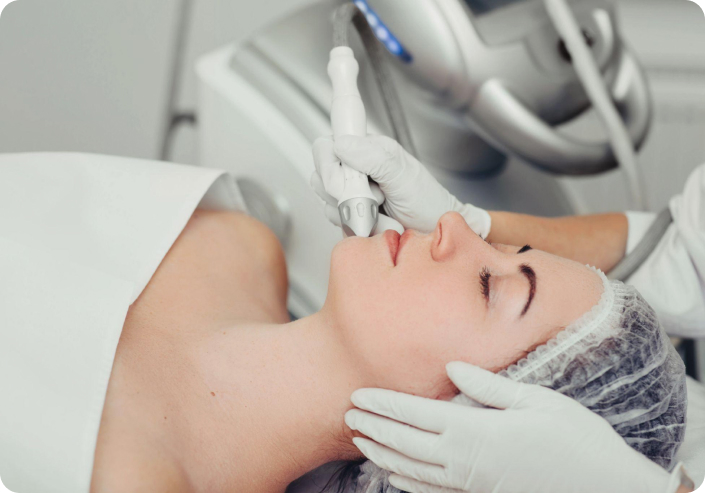
Laser treatments have gained popularity as an effective method for addressing both melasma and freckles. Freckles can also benefit well from laser treatments, which target melanin in the skin to fade and reduce their appearance. Intense pulsed light (IPL) therapy is another option that uses light energy to treat multiple freckles at once, providing an even skin tone.
For melasma, a combination of topicals and targeted laser therapy, including pico lasers, can break down excess pigmentation without harming the surrounding skin. Pico lasers are particularly effective due to their ultra-short pulse duration, allowing for precise treatment with minimal downtime. Other types of lasers used include fractional lasers and Q-switched lasers.
Despite their effectiveness, laser treatments should be approached with caution and performed by experienced professionals. They require careful consideration of skin type and condition to avoid potential side effects.
In addition to topical treatments and laser therapy, oral medications can be considered for certain cases of melasma. Tranexamic acid is a popular option that can help reduce the production of melanin, leading to a more even skin tone. However, it’s important to consult with a dermatologist to determine if tranexamic acid is suitable for your specific needs and to discuss potential side effects.

Sun protection is paramount when it comes to preventing all pigmentation, including melasma and freckles. Regular use of a broad-spectrum sunscreen with an SPF of 30 or higher can significantly reduce the risk of developing these pigmentation issues. Apply sunscreen generously to all exposed skin, even on cloudy days or when indoors near windows.
In addition to sunscreen, wearing wide-brimmed hats, sunglasses, and protective clothing can further shield your skin from harmful UV rays. It’s advisable to seek shade during peak sun hours, usually from 10 a.m. to 4 p.m.
Implementing these sun protection measures can make a significant difference in maintaining an even skin tone and preventing the exacerbation of melasma and freckles.

Adopting healthy lifestyle habits can play a crucial role in preventing melasma and freckles. A diet rich in antioxidants, like vitamins C and E, can help combat oxidative stress and support skin health. Foods such as berries, nuts, and leafy greens are excellent choices for nourishing your skin from within.
Staying hydrated by drinking plenty of water is essential for maintaining overall skin health and elasticity. Proper hydration helps your skin remain resilient and less prone to damage from sun exposure.

Dr. Sarah prioritizes understanding her patients’ aesthetic desires, so as to guide them effectively toward their goals.
Find out more about Dr. Sarah here.
Whether you have questions about our treatments, want to book an appointment, or simply like to learn more about how we can help you achieve your skin goals, our team is here to assist!
Astria Medical Aesthetics believes in a sustainable aesthetic journey. Beauty can be a continuous, timeless goal.
51 Bras Basah Road, #04-06A
Lazada One, Singapore 189554
OPENING hours
Monday – Friday
10.30am – 8.30pm
Saturday
10.00am – 6.30pm
Sun & PH closed
contact
Connect with us
links