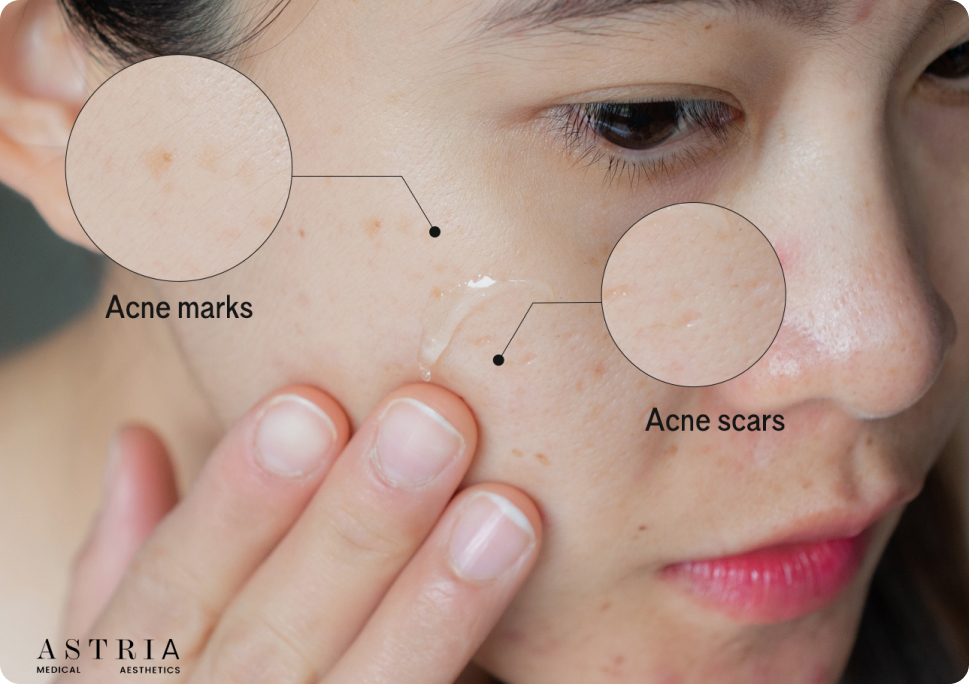
Discover the difference between acne marks vs acne scars and explore treatments for clearer skin. Expert guidance and consistent care lead to blemish-free results.
Table of Contents
Toggle
Dr. Sarah prioritizes understanding her patients’ aesthetic desires, so as to guide them effectively toward their goals.
Find out more about Dr. Sarah here.
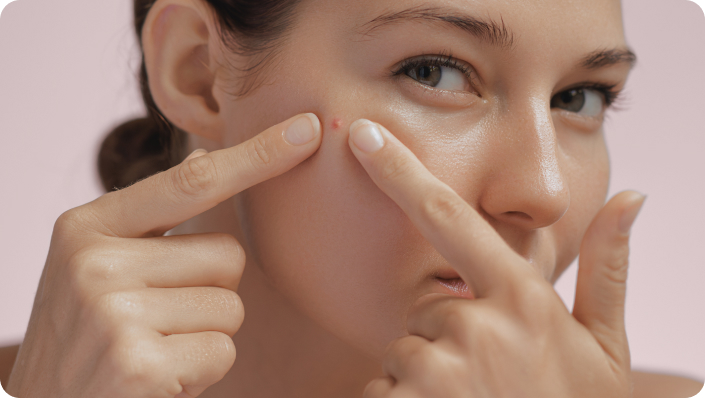
Acne is a common skin concern that affects millions of people worldwide, leaving behind blemishes that can linger long after the initial breakout has healed. However, not all post-acne blemishes are created equal. In this blog, we’ll explore the differences between acne marks vs acne scars, providing you with a comprehensive understanding of each.
By the end of this post, you’ll know how to identify these skin issues and the most effective treatments available to achieve clear, blemish-free skin. Whether you’re dealing with post-inflammatory hyperpigmentation or deep pitted scars, this guide will help you take the first step towards healthier skin.
When addressing “acne marks vs acne scars” it’s essential to understand that these terms refer to two distinct skin concerns. Acne marks, often manifesting as discolorations, are temporary changes in skin pigmentation. These marks typically resolve on their own, although treatment can expedite this process. Acne marks are usually flat and can appear as either brown spots or red spots, depending on the type.
On the other hand, acne scars are a result of dermal tissue damage caused by severe acne. These scars are permanent indentations or raised areas on the skin that require more intensive treatment to improve their appearance. Scars form when the skin undergoes an abnormal healing process, resulting in changes in texture rather than just color.
Acne marks are primarily caused by inflammation that occurs during an acne breakout. When the skin becomes inflamed, it triggers an increase in melanin production, leading to post-inflammatory hyperpigmentation (PIH). These brown spots are more common in individuals with darker skin tones due to higher melanin levels. PIH occurs when the skin overproduces melanin in response to the inflammation, resulting in dark spots that can remain visible for weeks or months.
In addition to PIH, some people experience post-inflammatory erythema (PIE), characterized by red spots. PIE occurs due to the dilation of blood vessels in the affected area, leading to prolonged redness even after the acne has healed. Unlike PIH, PIE is not related to melanin but rather to vascular changes in the skin.
Both PIH and PIE can be frustrating, but they are generally considered temporary. With the right skincare regimen and treatments, these acne marks can fade over time, restoring your skin’s natural appearance.
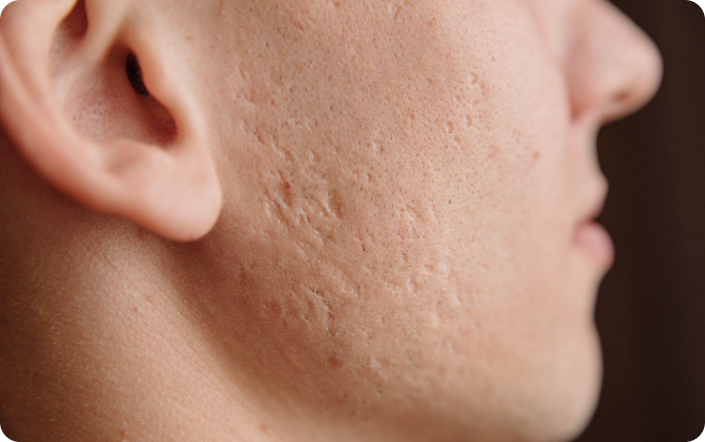
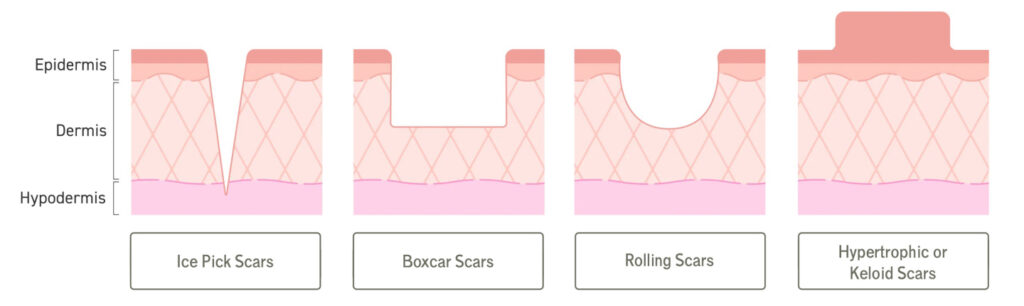
We now move on to the question: What causes acne scars? Acne scars, in contrast, result from the skin’s attempt to heal itself after a severe acne lesion. When an inflamed pore swells, it can lead to a breakdown of the pore wall. If the infection is deep, it can affect the surrounding tissue, causing a loss of skin structure. This is referred to as atrophic scarring. The body tries to repair this damage by forming new collagen fibers, but this process can result in an uneven skin texture.
Acne scars come in various forms, such as icepick scars, boxcar scars, and rolling scars. Icepick scars are deep and narrow, resembling small puncture wounds. Boxcar scars have a more angular appearance with defined edges, while rolling scars give the skin an undulating look due to broad depressions.
Acne scars are much harder to treat than acne marks and often require professional intervention. Understanding that scars are a textural change, not just a color issue, can help when considering treatment options.
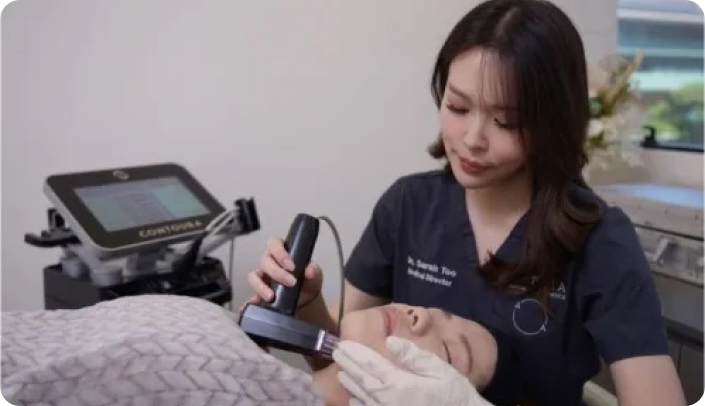
RF Microneedling For Reducing Acne Marks

Pico Laser Treatment is another advanced option for treating acne marks. This laser technology uses ultra-short pulses of laser energy to target pigmented areas without damaging the surrounding skin. By breaking down excess melanin, Pico Laser Treatment can effectively lighten brown spots, improve skin clarity and reduce the appearance of acne dark spots on the face.
Apart from addressing pigmentation, Pico Lasers also stimulate collagen production, which can help with mild to moderate acne scarring. The treatment is quick, with minimal downtime, making it a popular choice for those looking to rejuvenate their skin efficiently.
For those dealing with post-inflammatory erythema, Yellow Laser or Vascular Laser is a suitable treatment option. This laser targets the blood vessels responsible for redness, reducing their appearance and leading to an even skin tone.
Yellow Laser therapy is gentle yet effective in treating PIE, making it an excellent choice for individuals with sensitive skin. By addressing the vascular changes associated with acne, this treatment can significantly diminish red spots and restore your complexion’s natural balance.
RF Microneedling or radiofrequency microneedling is a cutting-edge treatment that can address both acne marks and scars. This procedure combines microneedling with radiofrequency energy to stimulate collagen production and promote skin regeneration. By delivering energy directly into the deeper layers of the skin, RF Microneedling helps fade acne marks, smooth out skin texture, and enhance overall skin tone.
The process involves using fine needles to create micro-injuries in the skin, which triggers the body’s natural healing response. This response includes increased collagen and elastin production, leading to firmer and more even-textured skin. RF Microneedling is particularly effective for atrophic acne scars and can improve skin texture and pores as a whole.
Incorporating specific skincare ingredients can also play a role in fading acne marks. Ingredients like Vitamin C, Retinol, Niacinamide, and Azelaic Acid are known for their brightening and healing properties. Vitamin C is a potent antioxidant that can lighten brown spots and improve skin radiance. Retinol accelerates cell turnover, helping to fade pigmentation and smoothen skin texture.
Niacinamide has anti-inflammatory properties that can reduce redness and uneven skin tone, while Azelaic Acid is particularly effective for both PIH and PIE. Consistent use of these ingredients can gradually lighten acne dark spots and support overall skin health.
RF Microneedling, as mentioned earlier, is an effective treatment for both acne marks and scars. By targeting deeper skin layers, this procedure improves skin texture and elasticity. For those suffering from acne scars, RF Microneedling can smooth out pitted or raised scar tissues, enhancing overall skin appearance.
This dual-action treatment stimulates collagen production, which is crucial for repairing scarred skin. The result is a noticeable improvement in skin texture, with a reduction in the visibility of both acne marks and scars. The versatility of RF Microneedling makes it a valuable option for those seeking comprehensive skin rejuvenation.
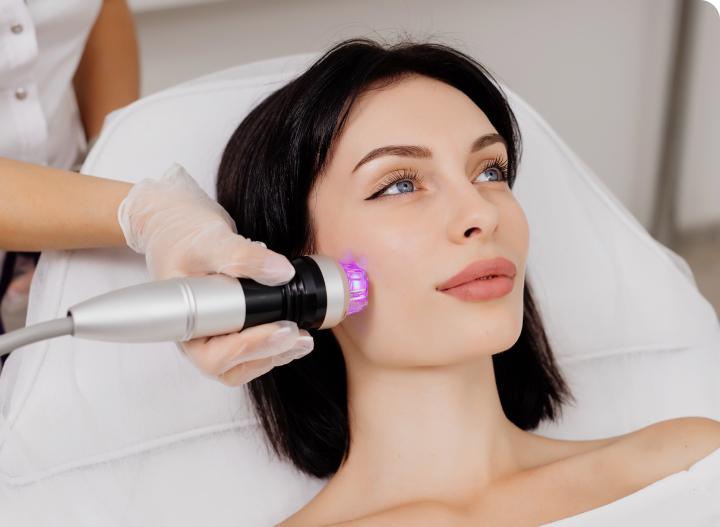
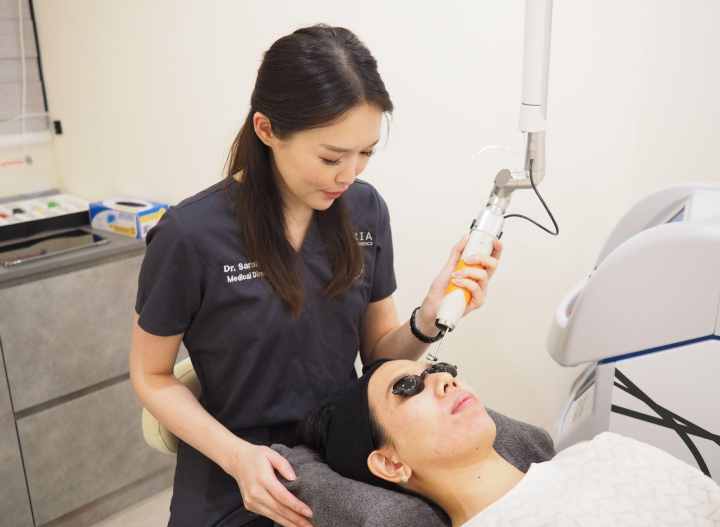
Pico Laser Treatment is equally beneficial for addressing acne scars. The laser energy targets scar tissue, breaking it down and encouraging the body to replace it with healthier, new skin. This process not only reduces pigmentation but also softens the appearance of scars, making them less prominent.
For those dealing with both acne marks and scars, Pico Laser offers a holistic approach to skin improvement. Its ability to treat multiple concerns simultaneously makes it a convenient and effective solution for achieving clearer skin.
The Subcision Technique is specifically designed for treating depressed acne scars. This minimally invasive procedure involves using a needle to break apart the fibrous bands beneath the scar tissue. By releasing these attachments, the skin surface can rise and level out, improving the appearance of indented scars.
Subcision is particularly effective for rolling scars, which are tethered to deeper skin layers. When combined with other treatments like RF Microneedling or laser therapy, the results can be even more pronounced, offering a comprehensive approach to scar management.
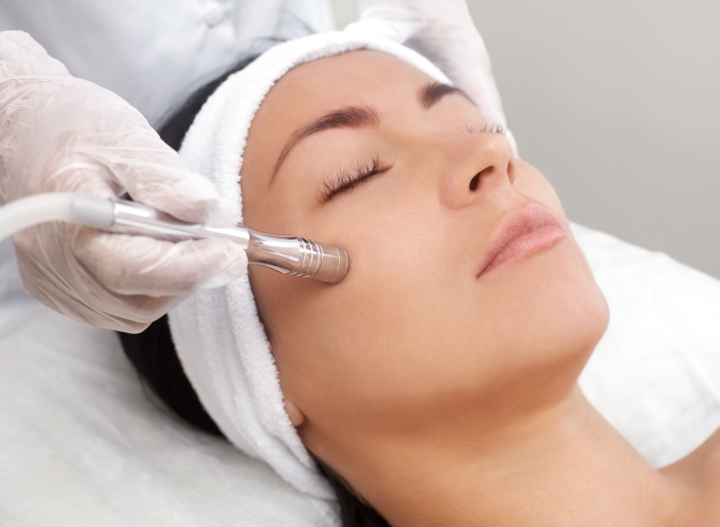

Skin boosters, also known as injectables or fillers, can help enhance the appearance of acne scars and are an effective face marks treatment. These treatments involve injecting hyaluronic acid or other skin-plumping substances into the scarred areas to elevate and smoothen the skin surface. The choice of skin booster depends on individual skin conditions and requires consultation with a dermatologist. By providing hydration and volume, skin boosters can significantly diminish the visibility of acne scars, contributing to a more even complexion.
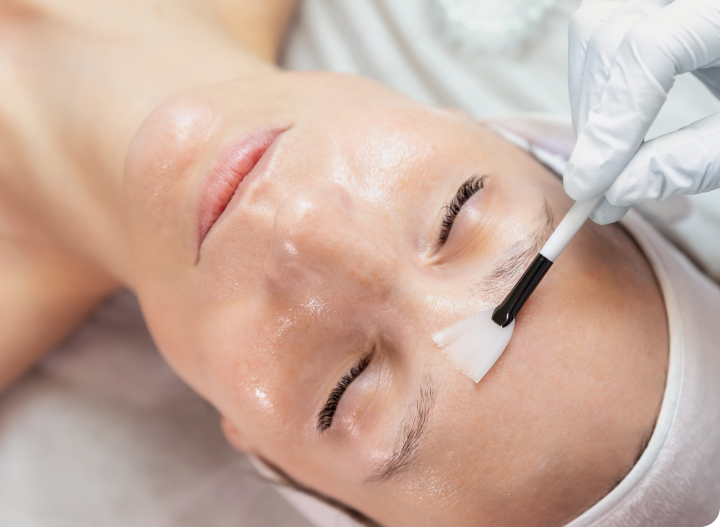
Chemical Peels are a popular choice for improving skin texture and reducing acne scars. These treatments involve applying a chemical solution to the skin, which exfoliates the top layers and stimulates collagen production. Chemical peels can effectively reduce the depth of acne scars and improve overall skin tone.
Various types of chemical peels are offered, differing in their strength and depth of penetration. An aesthetic doctor can recommend the most suitable option based on your skin type and scar severity. Regular chemical peel sessions can lead to smoother, more refined skin.
Preventing acne marks and scars begins with effective acne management. Keeping breakouts under control reduces the risk of post-acne blemishes. One of the key strategies is maintaining a consistent skincare routine that includes gentle cleansing, exfoliation, and moisturizing. By keeping the skin clean and hydrated, you can minimize inflammation and promote faster healing.
It’s also important to resist the urge to pick or squeeze acne lesions. Manipulating acne spots can worsen inflammation and increase the likelihood of scarring. Instead, consider using spot treatments containing ingredients like Benzoyl Peroxide or Salicylic Acid to target active breakouts effectively.
Sun protection is another crucial aspect of prevention. UV exposure can darken existing acne marks and hinder the healing process. Using a broad-spectrum sunscreen daily shields the skin from harmful rays and prevents pigmentation issues from worsening. Incorporating sunscreen into your skincare routine is a simple yet powerful step in maintaining clear, blemish-free skin.
By the end of this post, you’ll know how to identify these skin issues and the most effective treatments available to achieve clear, blemish-free skin. Whether you’re dealing with post-inflammatory hyperpigmentation or deep pitted scars, this guide will help you take the first step towards healthier skin.
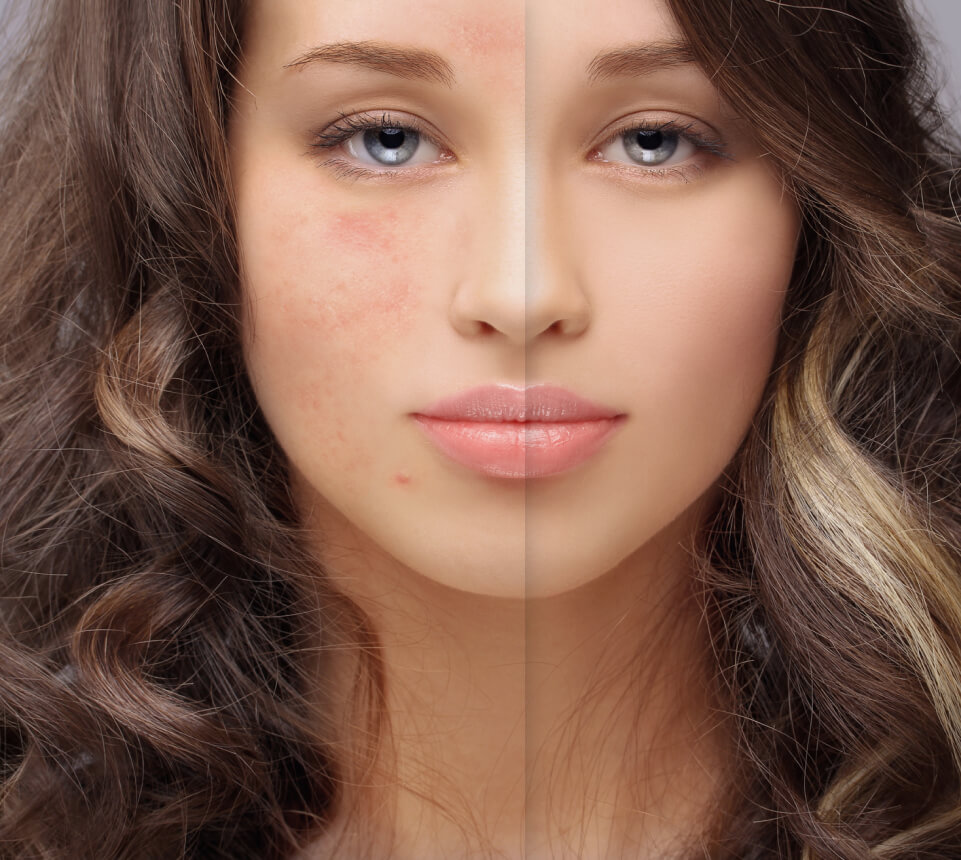

Understanding the difference between acne marks vs acne scars is essential for selecting the most appropriate treatment options for your skin. While both conditions result from acne, they require different approaches to achieve optimal results. By identifying whether you’re dealing with pigmentation or textural changes, you can pursue targeted solutions that address your specific skin concerns.
From advanced treatments like RF Microneedling and Pico Laser to effective skincare ingredients, there are numerous options available to help improve your skin’s appearance. Remember that prevention is key, and adopting a proactive approach to acne management can minimize the risk of post-acne blemishes.
For those interested in exploring further, consider seeking advice from a qualified doctor. Astria Medical Aesthetics offers personalized skin treatments and consultations to help you achieve your desired results. With dedication and care, achieving beautiful, blemish-free skin is within reach.

Dr. Sarah prioritizes understanding her patients’ aesthetic desires, so as to guide them effectively toward their goals.
Find out more about Dr. Sarah here.
Whether you have questions about our treatments, want to book an appointment, or simply like to learn more about how we can help you achieve your skin goals, our team is here to assist!
Astria Medical Aesthetics believes in a sustainable aesthetic journey. Beauty can be a continuous, timeless goal.
51 Bras Basah Road, #04-06A
Lazada One, Singapore 189554
OPENING hours
Monday – Friday
10.30am – 8.30pm
Saturday
10.00am – 6.30pm
Sun & PH closed
contact
Connect with us
links